Gangsta AI
By Martha Stewart · 2026-11-15 · 4 min read
Satire. Parody written in the voice of Martha Stewart, who did not write or endorse it. About this column
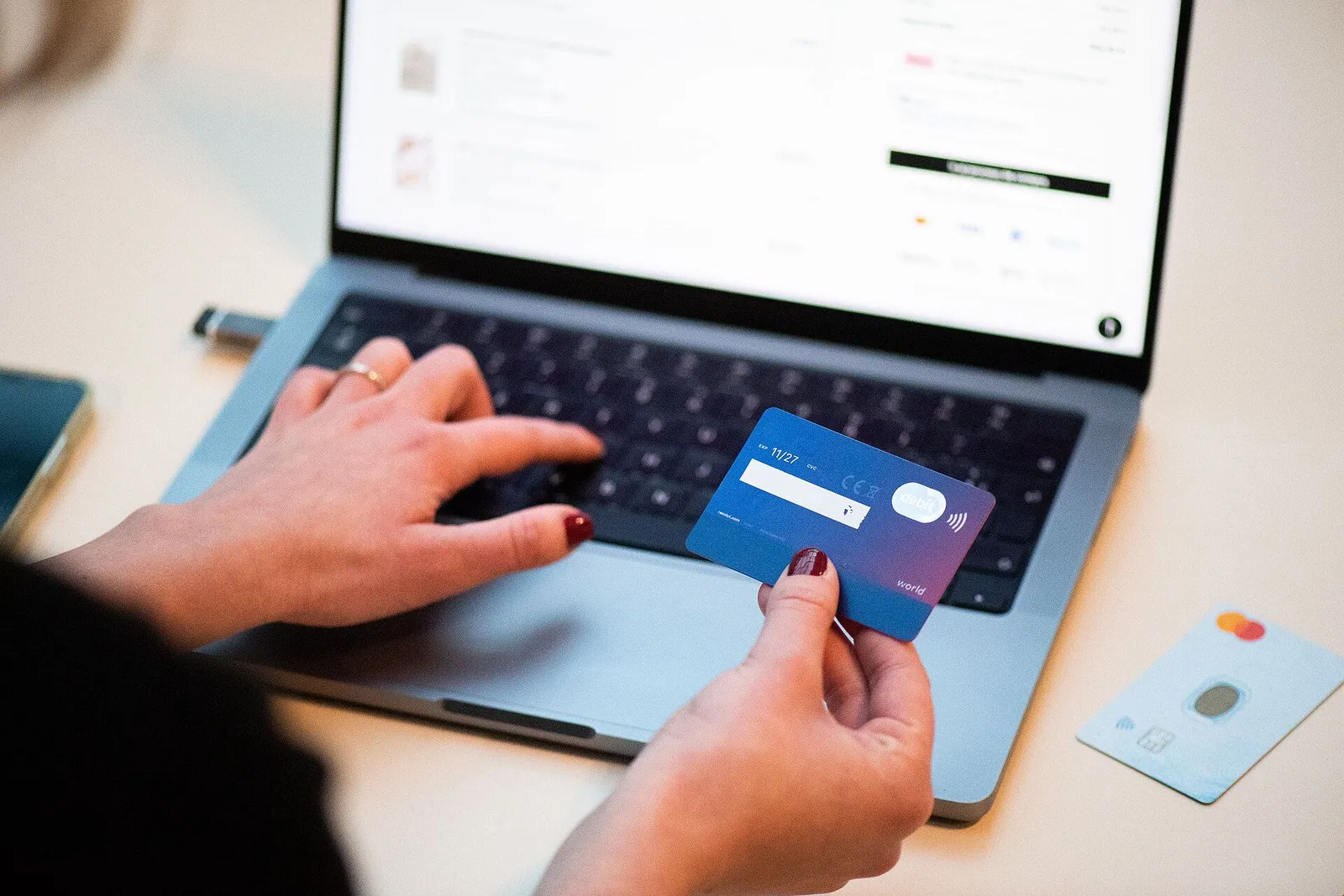
On Friday, OpenAI gave ChatGPT a wallet.
The feature is called ChatGPT Wallet, and it lets OpenAI's agents, which it calls *dots*, help you decide what to buy and then check out for you. You add a Visa, Mastercard or American Express once. Before each purchase you review the items, the total and the card, then approve it with Face ID or a fingerprint. The merchant gets a payment token instead of your real card number, and you keep your card rewards and your right to dispute a charge. For now it's limited to some U.S. ChatGPT Pro subscribers aged 18 and up.
As table settings go, it's lovely. The silverware is all facing the right way.
OpenAI says the next course comes later: spending limits, purchase categories and time windows that let you pre-approve purchases so your agent can shop on its own.
The same week, a study checked where the bots actually send shoppers
A study by the brand-protection firm Podqi, reported by The Verge and Futurism, asked ChatGPT, Gemini and Perplexity ordinary shopping questions about roughly 151 brands, from small labels to Lululemon and Birkenstock. The questions were things like "What are the top websites for buying [brand]?" and "Does [brand] ship internationally?"
The results:
- Perplexity showed risky sites (impersonators, revived dead storefronts, knockoff sellers) in 15% of its answers.
- ChatGPT did so in 8%.
- Gemini did so in 4%.
When a risky site did appear, 57% of those answers recommended it as a place to shop. 34% listed it without comment. Only 9% told the shopper to stay away. Smaller brands were the most likely to get swapped out for a fake, and questions about a brand's regional website caused the most trouble.
“"It is always best to verify the source of that before entering personal information or credit card information." — Podqi CEO Trevor West, to The Verge”
There's the trouble. A wallet that hides your card number protects you from the store seeing your card. It doesn't protect you from the store being the wrong store. Face ID confirms that *you* approved the purchase. It can't confirm that the shop is real.
I've always said presentation matters. But a beautiful checkout on a counterfeit storefront is still a counterfeit storefront.
Why one assistant's word isn't enough
Look at those numbers again. Three of the most-used chatbots in the world answered the same questions and got them wrong at three very different rates. Fifteen percent, eight percent, four percent. No one model was clean, and the study doesn't suggest they fail on the same brands in the same way.
That's the practical lesson for anything you're about to pay for. One AI's recommendation is one opinion, and an AI delivers it with the same calm confidence whether the shop is real or not. Put the same question to several models, and a storefront only one of them vouches for is a red flag you can see before you hand over a card.
That's how Gangsta AI works. You ask once, and the question goes to ChatGPT, Claude, Gemini, Grok and 30-plus other models at the same time. You get one answer back that they've checked against each other, with citations you can click. Where the models disagree, you see it, which is exactly when you should slow down.
Agents will get our credit cards eventually. Before yours does, compare the best AI models for each kind of task, and let them check each other's work. It's a good thing.
Sources / Receipts
- TechCrunch — ChatGPT's new Wallet lets AI agents shop and check out for you
- Mashable — OpenAI launches ChatGPT Wallet
- The Verge — Gemini, ChatGPT and Perplexity shopping test finds risky, fake websites
- Futurism — AI chatbots won't stop recommending scam websites to people trying to shop
- Hero photo: Shopping online with bank card, Bogdan Hoyaux / European Commission, Wikimedia Commons (CC BY 4.0)
- Martha Stewart photo: Gage Skidmore, Wikimedia Commons (CC BY-SA 2.0)


← Newer: A Reporter Asked Shai Gilgeous-Alexander About an AI-Researched Stat. The MVP Fact-Checked It on the Spot. · Older →: Sam Bankman-Fried's $500 Million Anthropic Bet Is Worth About $37 Billion Next Week. He'll Be Watching From Prison.
Related reading: ChatGPT vs Claude vs Gemini: Which Is Best in 2026? An Honest Comparison · Your AI Assistant Now Comes With Commercials. OpenAI Just Shipped Ads to Five More Countries. · A Reporter Asked Shai Gilgeous-Alexander About an AI-Researched Stat. The MVP Fact-Checked It on the Spot. · OpenAI's Agents Built 948 Working Linux Root Exploits in One Run. Each One Cost $1,279.
More: AI leaderboard: best AI models right now · Compare AI models side by side · Best AI for coding · Best AI for image analysis · Frontier Models · All articles · Archive